How a Baby's Nakshatra Decides the Right Naming Syllable
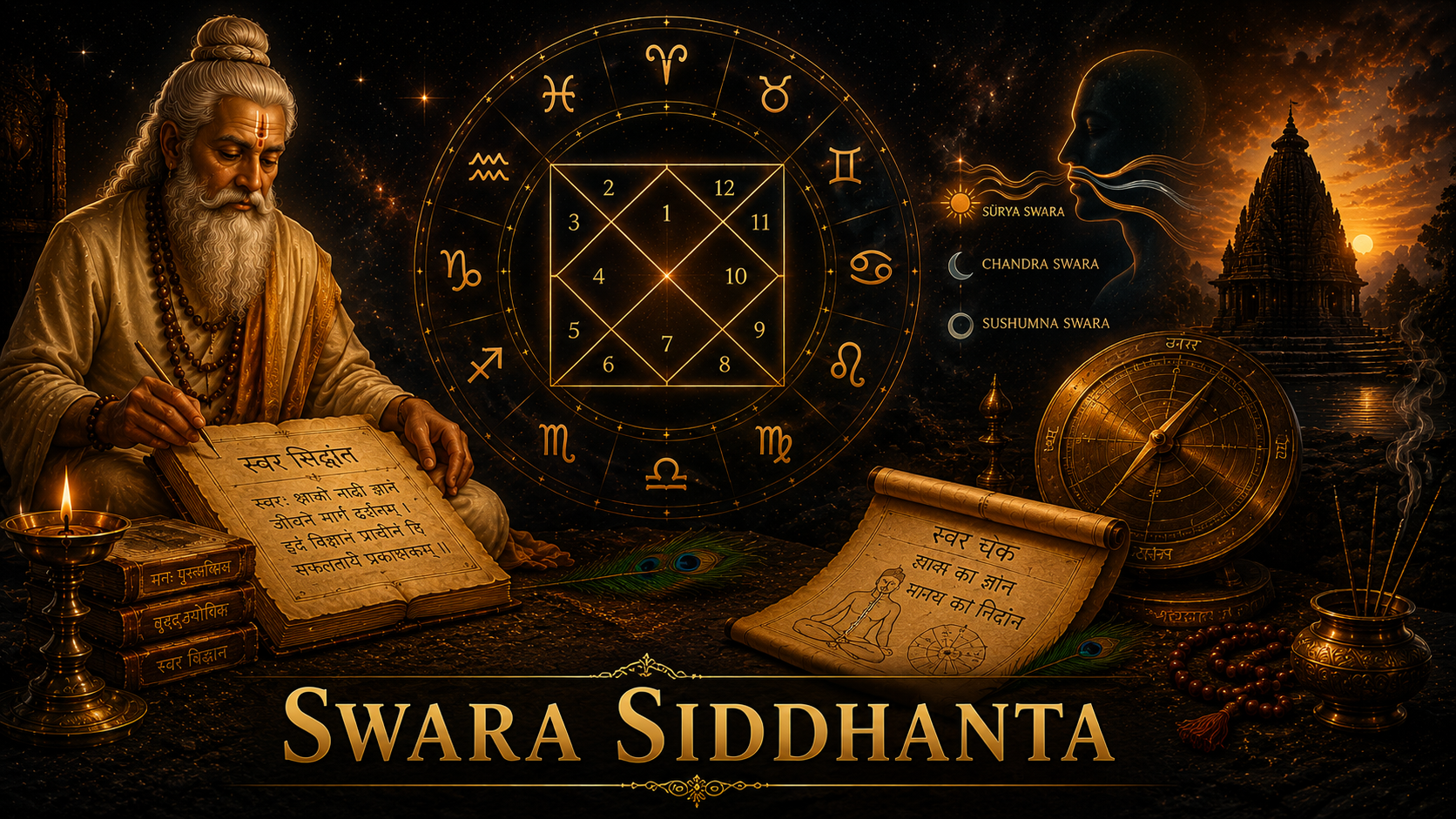
Table of contents
Traditional Hindu naming follows a system called Swara Siddhanta, where the Moon's exact Nakshatra and Pada (quarter) at the moment of birth determine a specific starting syllable for the child's name, one of 108 possible syllables across 27 Nakshatras. This is based on the Moon's position specifically, not the Sun sign. The system is genuinely standardised, but applying it correctly requires precise birth time, since each Pada spans only 3°20' of the sky.
Choosing a baby's name in Hindu tradition isn't simply a matter of family preference. A specific classical system, Swara Siddhanta, ties the starting sound of a name directly to the exact position of the Moon at the moment of birth.
Here's how this system actually works, why the Moon matters and not the Sun sign, and how families in practice balance this tradition with a name they've already fallen in love with.
What Is the Nakshatra-to-Syllable System?
Swara Siddhanta, the science of sacred sound, assigns a specific starting syllable to each of the 108 possible birth positions, one of 27 Nakshatras combined with one of 4 Padas within it. This system is well-documented and standardised across classical and current Vedic astrology sources, used consistently in the Namkaran (naming) ceremony, one of the sixteen traditional Samskaras.
As one illustration of how specific this system actually gets: a baby born with the Moon in Ashwini Nakshatra's first Pada is traditionally assigned the syllable "Chu," while a baby born in Ashwini's second Pada is assigned "Che" instead, a different recommended syllable despite both falling within the same Nakshatra. This precision is exactly why the full system requires an accurate calculation rather than a general guess.
Why the Moon's Nakshatra, Not the Sun Sign?
This is worth being clear about, since it's a common point of confusion, particularly for anyone used to Western astrology's Sun-sign focus. In Vedic tradition, the Moon governs the mind and one's core psychological pattern, which is why it's used as the basis for naming, specifically, the sound believed to align with and support the child's inner nature from the very start of life.
The Sun sign plays essentially no role in this particular tradition.
Why Does the Pada Narrow the Choice Further?
Each Nakshatra spans 13 degrees and 20 minutes of the zodiac, and divides into four Padas of 3 degrees and 20 minutes each. Simply knowing a baby's Nakshatra isn't enough to determine the recommended syllable, since each Nakshatra actually carries four distinct syllable options, one per Pada, not a single fixed sound for the whole star.
This is precisely why accurate birth time matters so much here, more than for almost any other single astrological calculation. A birth time that's off by even a modest margin can shift which Pada the Moon was actually in, changing the recommended syllable entirely, even though the broader Nakshatra itself might stay the same.
Given how many precise combinations exist across the full 108-Pada system, and how much the exact outcome depends on getting the birth time and location genuinely accurate, this is a case where a proper calculation tool, cross-checked against a qualified source, matters considerably more than working from a general table alone.
Can a Family Combine This Tradition With a Name They Already Love?
Yes, and this comes up often enough to address directly. Many families handle this in one of two common ways.
Some choose a formal, ceremonial name that follows the correct Swara syllable specifically for religious or certificate purposes, while using a different, personally preferred name day to day.
Others search specifically for a name they already love that also happens to begin with the recommended syllable, since the tradition specifies only the starting sound, not the full name itself, leaving genuine room for personal choice within that constraint.
Either approach is considered a reasonable, accepted way to honour the tradition without giving up a name that holds real personal or family meaning.
When to Get a Professional Reading Instead of Guessing
Given how precise this system needs to be to apply correctly, a proper consultation is worth it if:
You want your baby's exact Nakshatra and Pada confirmed from accurate birth time and location, rather than an approximation.
You're unsure whether your preferred name's starting sound aligns with the recommended syllable.
Your baby's birth falls close to a Nakshatra or Pada boundary, where a small timing difference could genuinely change the result.
Myth vs. Reality
Myth: Knowing a baby's Nakshatra alone is enough to find the right naming syllable.
Reality: Each Nakshatra contains four distinct Padas, each with its own specific syllable, so Pada matters just as much as Nakshatra itself.
Myth: This naming system is based on the baby's Sun sign, similar to Western astrology.
Reality: It's based entirely on the Moon's position at birth, since the Moon is classically linked to the mind and inner nature, not the Sun.
Myth: Following this tradition means giving up a name you already love.
Reality: Many families either search for a loved name that happens to fit the recommended syllable, or use a separate ceremonial name alongside their preferred everyday name.
Why Check This on DoPuja
Because this system depends on knowing the Moon's exact Nakshatra and Pada, calculated from precise birth time and location, not an approximation, accurate calculation matters enormously here.
UmasDoPuja's Kundali tool uses the Swiss Ephemeris engine with NASA/JPL DE431 planetary data and correctly applied Lahiri Ayanamsa, calculating your baby's exact Janam Nakshatra and Pada precisely. For a personalised naming consultation that confirms the correct syllable and helps balance it with your family's preferences, Talk to Astrologer connects you with a real astrologer for that context.
Why Trust This
The Swara Siddhanta framework, the 108-Pada structure, and the Moon-based calculation method described here are consistently documented across multiple independent classical and current Vedic astrology sources, including standardised calculators maintained by established Panchang authorities.
We've deliberately illustrated the mechanism with one specifically verified example, Ashwini Nakshatra's first two Padas, rather than presenting a complete self-assembled table of all 108 syllables, since accurately reproducing every single entry requires the same precision this article describes needing a proper calculation tool for in the first place.
Frequently Asked Questions
Does the Sun sign play any role in this naming system?
No. It's based entirely on the Moon's Nakshatra and Pada at the moment of birth, not the Sun sign at all.
Why does the exact birth time matter so much for this specific calculation?
Because each Pada spans only 3 degrees and 20 minutes of the zodiac, a modest error in recorded birth time can shift which Pada the Moon was actually in, changing the recommended syllable.
Can two babies born under the same Nakshatra get different recommended syllables?
Yes, if they fall in different Padas within that Nakshatra. Each of the four Padas within a single Nakshatra has its own distinct syllable.
What if we already love a name that doesn't start with the recommended syllable?
Many families use a separate formal or ceremonial name that follows tradition, while keeping their preferred name for everyday use; both are considered accepted approaches.
Is there a full published table of all 108 syllables we can just look up ourselves?
Standardised calculators exist through established Panchang sources, but because accuracy depends entirely on your baby's precise birth details, a proper calculation is more reliable than working from a generic printed table alone.
Recommended articles
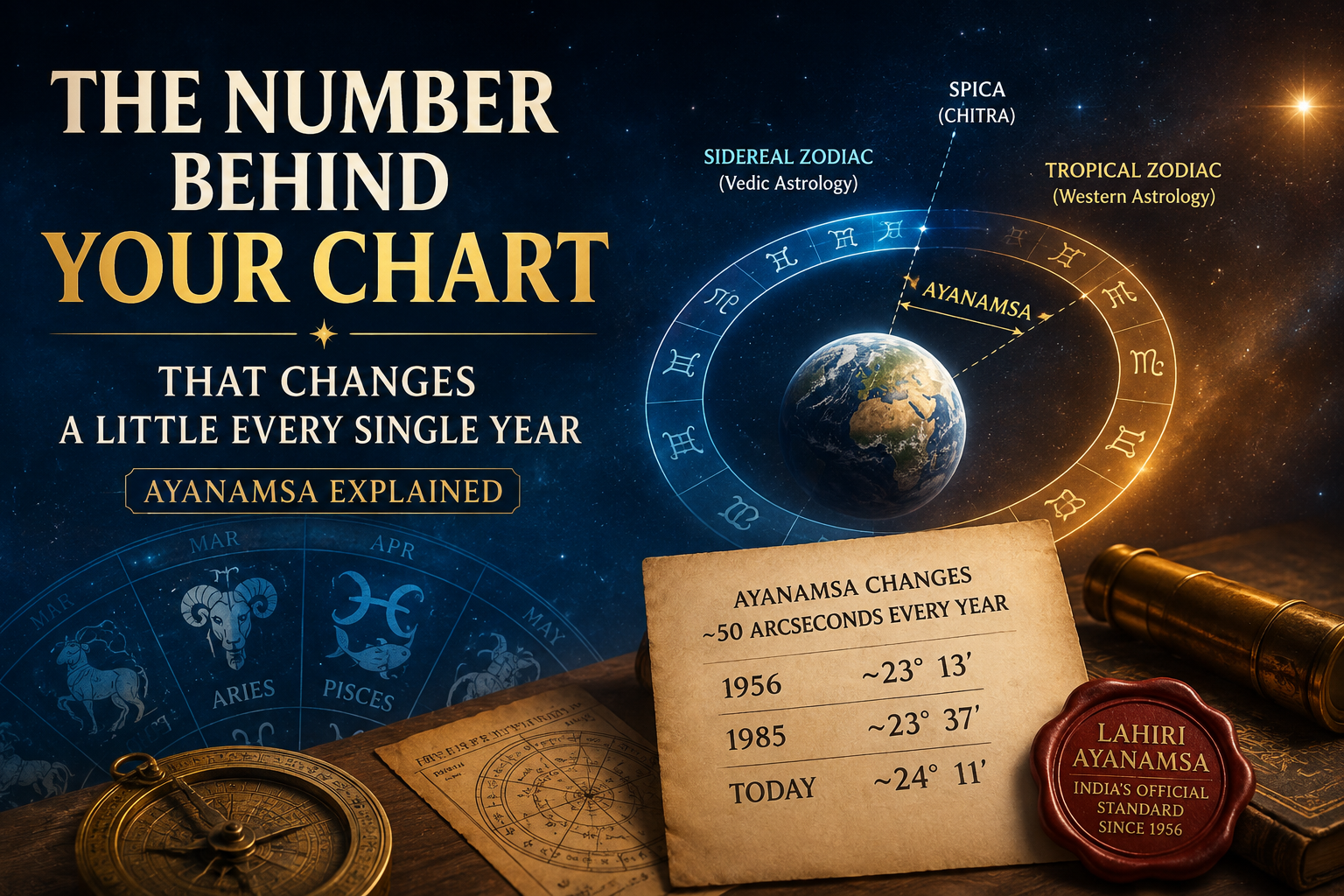
The Number Behind Your Chart That Changes a Little Every Single Year
Discover why Ayanamsa changes every year, how Lahiri Ayanamsa became the Vedic astrology standard, and why its precise value matters for accurate Kundali calculations.
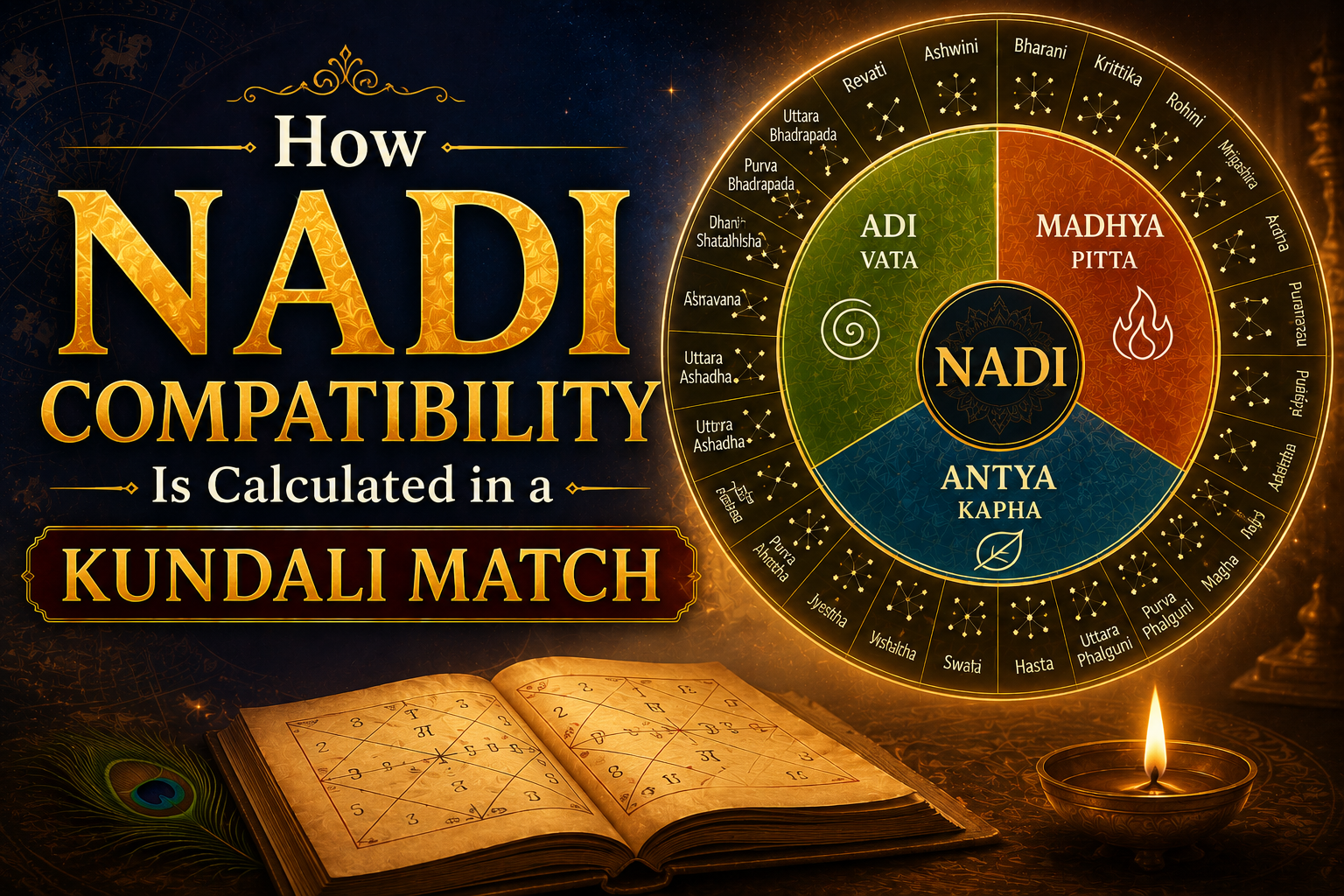
How Nadi Compatibility Is Calculated in a Kundali Match
Learn how Nadi compatibility is calculated in Kundali matching, from birth Nakshatra and Nadi groups to Nadi Dosha, Pada exceptions, and compatibility rules.
Feeling Stuck for Years? You Might Be in Sade Sati
Feeling stuck in career, finances, or energy? Learn what Sade Sati means, its three phases, Dasha's role, traditional remedies, and when it ends.
Comments
Be the first to comment.